Advances in Immunology and Microbiology Seminar Series
About the event
Featuring research in the areas of:
Epidemiology | Infectious Disease | Disease Ecology | Drug Discovery | Virology |
Global Health | Vector-Borne Disease | Pathology
The Advances in Immunology & Microbiology seminar series is a weekly forum that brings together scientists from diverse fields and disciplines across the College of Veterinary Medicine to discuss research advances in the broad areas of immunology, microbiology, infectious diseases, and global health. Seminars feature student speakers from the Immunology & Infectious Disease (IID) doctoral program, IID-affiliated postdoctoral researchers and faculty, intramural speakers from across the university, and extramural speakers.
Intramural Trainee double-header
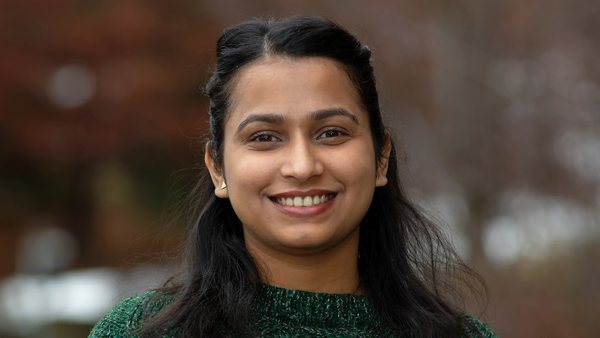
Sudiksha Pandit, PhD candidate
TITLE: Role of extracellular Interferon Stimulated Gene 15 (ISG15) protein in inflammasome activation for release of mature interlukin-1ß (IL-1ß) during virus infection
ABSTRACT: Interlukin-1ß (IL-1ß) is a critical cytokine involved in host immunity during infection. IL-1ß is synthesized as an inactive pro-IL-1ß form which undergoes cleavage by active caspase-1 (Casp1) to generate the mature IL-1ß form that is released from the cells. During this process, Casp1 is activated by the cellular multi-protein complex known as inflammasome. Our recent study with human respiratory syncytial virus (RSV) infected macrophages showed extracellular release of ISG15 during infection. Furthermore, we show that purified ISG15 protein can trigger IL-1ß release from macrophages. Since RSV is a major viral agent responsible for severe airway inflammatory diseases like pneumonia and bronchiolitis in infants, children, elderly, and immunocompromised individuals, my project is focused on investigating the cellular/molecular mechanisms involved in extracellular ISG15 mediated inflamassome-Casp1 activation for mature IL-1ß release during RSV infection. Understanding the mechanism of extracellular ISG15-inflammasome-Casp1-IL-1ß axis will advance the development of targeted therapies to combat RSV-associated airway inflammatory diseases since IL-1ß is involved in triggering hyper-inflammation and exacerbated lung disease during RSV infection. Additionally, our studies may also shed new light on inflammasome activation by extracellular host factors during infection with various other viruses
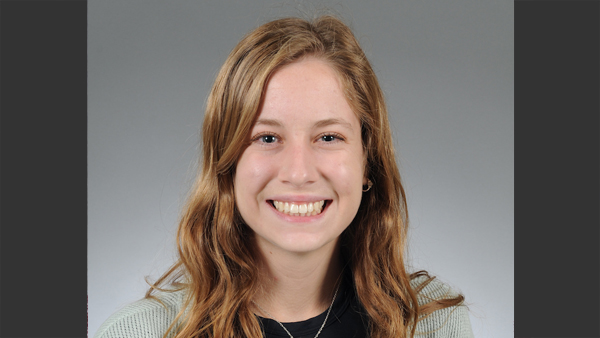
Grace Miller, PhD candidate
TITLE: ISGylation Confers Antiviral Activity during Human Parainfluenza Virus Type 3 Infection by Restricting Virus Budding
ABSTRACT: Human parainfluenza virus type 3 (HPIV3) is an RNA virus belonging to the paramyxovirus family, which includes clinically important viruses such as Nipah, Hendra, Mumps, and Measles. HPIV3 causes lower respiratory illnesses such as pneumonia, bronchiolitis, and croup in infants and young children. ISGylation is a ubiquitin-like modification controlling various aspects of host response during infections. It was still unknown whether paramyxoviruses can trigger ISGylation during infection and the role of ISGylation, if any, during infection. We now show that HPIV3 can induce ISGylation in epithelial cells. Interestingly, using ISGylation deficient lung epithelial cells, we demonstrate ISGylation playing an antiviral role during infection. We also found that both HPIV3 budding and extracellular release of HPIV3 Matrix (M) protein viral like particles (VLPs) were restricted by ISGylation. Mechanistically, we detected ISGylated M protein which may result in reduced association of M protein with the inner leaflet of the plasma membrane (PM) to facilitate HPIV3 budding. Thus, ISGylation impairs HPIV3 budding by reducing PM associated M protein, an event that is required for efficient budding of the infectious virion particles.
Upcoming Seminars
- November 13 – Charles Ugwu, PhD candidate
- November 20 – Dr. Steven Edmonds, PhD candidate & Pathology Resident, AND Dr. Colleen Lynch, PhD Candidate & Pathology Resident
- December 4 – Brittany Genera, PhD candidate AND Dr. Hayley Masterson, PhD candidate & Pathology Resident