Advances in Immunology and Microbiology Seminar Series: Dr. Arden Baylink
About the event
Featuring research in the areas of:
Epidemiology | Infectious Disease | Disease Ecology | Drug Discovery | Virology |
Global Health | Vector-Borne Disease | Pathology
The Advances in Immunology & Microbiology seminar series is a weekly forum that brings together scientists from diverse fields and disciplines across the College of Veterinary Medicine to discuss research advances in the broad areas of immunology, microbiology, infectious diseases, and global health. Seminars feature student speakers from the Immunology & Infectious Disease (IID) doctoral program, IID-affiliated postdoctoral researchers and faculty, intramural speakers from across the university, and extramural speakers.
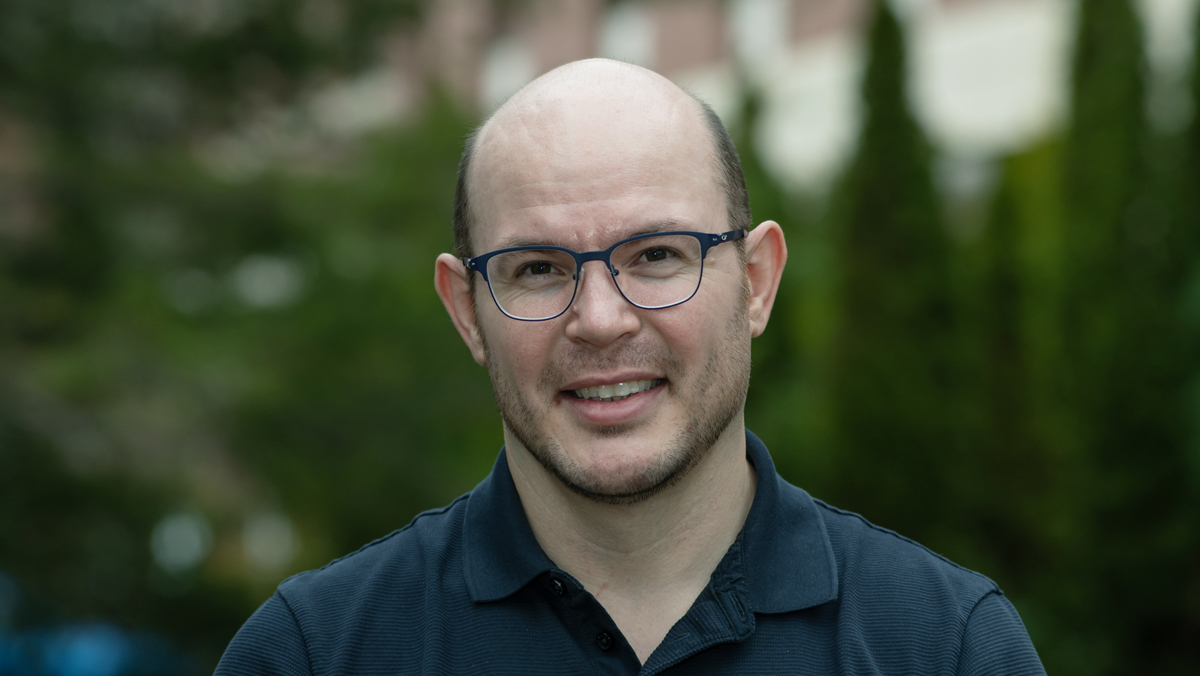
PRESENTER: Dr. Arden Baylink, PhD; Assistant Professor, Department of Veterinary Microbiology & Pathology
TITLE: Molecular messages: decoding the chemical information that drives gut infections
To establish infections and cause disease, bacteria must navigate to specific host tissues. Many gastrointestinal pathogens achieve this through chemotaxis, a process that allows swimming bacteria to detect and respond to chemical signals in their environment, enabling directed movement toward beneficial stimuli and away from harmful ones. In this seminar, I will discuss the development of a novel tool, the Chemosensory Injection Rig Assay (CIRA), which our lab designed for live imaging and precise measurement of bacterial chemotaxis. I will present two vignettes illustrating how Salmonella Typhimurium and Escherichia coli use chemotaxis to process chemical signals within the host and integrate this information into their infection strategies. Interestingly, the mechanism controlling these chemotactic behaviors can promote virulence in situations where the chemical landscape of the gut shifts due to pathologies like inflammatory bowel diseases, providing a potential rationale for the heightened risk of sepsis in this patient population. These findings provide insights into the chemical landscapes that guide bacterial behavior, how they control infection outcomes, and suggest strategies for targeting chemotaxis systems with synthetic effectors to disrupt infection processes.