School of Molecular Biosciences Series: Repair – Regeneration – Reproduction
About the event
A Distinguished Lecture Series on REPAIR – REGENERATION – REPRODUCTION
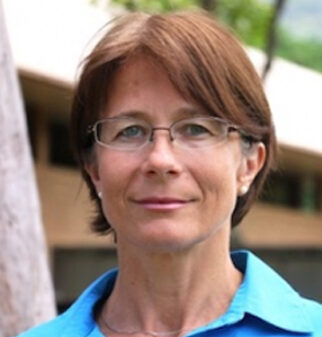
PRESENTER: Dr. Monika Ward, Yanagimachi Institute for Biogenesis Research, University of Hawaii
TITLE: Y Chromosome – A Genetic Switch Box for Fertility
Dr. Monika A. Ward is a highly respected leader in reproductive and developmental biology, internationally recognized for her seminal contributions to understanding Y-chromosome function, spermatogenesis, and assisted reproductive technologies. Trained under the late Ryuzo Yanagimachi, she has played a central role in establishing foundational mouse models demonstrating the minimal Y-chromosome gene complement required for male fertility, with landmark publications in Science, Biology of Reproduction, and PNAS.
Her work has reshaped thinking about sex chromosome biology, sperm chromatin integrity, and the long-term consequences of assisted reproduction. Dr. Ward has sustained continuous NIH support as principal investigator, serves in prominent editorial and leadership roles within the Society for the Study of Reproduction and Biology of Reproduction, and currently directs the Yanagimachi Institute for Biogenesis Research. Collectively, her scholarship, leadership, and mentorship place her among the most influential scientists in modern reproductive biology.
April 23, second lecture
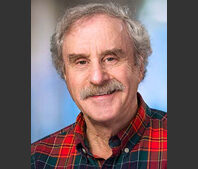
PRESENTER: Dr. Heinikoff Steven, Professor Basic Sciences Division, Fred Hutch Cancer Center
TITLE: Histone Overexpression in Cancer
Dr. Heinikoff Steven is a world renowned pioneer in chromatin biology and epigenetics. A Member of the National Academy of Sciences and recipient of the 2025 Rosenstiel Award, his lab is known for developing transformative genomic technologies, including the widely used CUT&RUN and CUT&Tag methods that reshaped how we map protein–DNA interactions. His research focuses on epigenetic inheritance, nucleosome dynamics, and genome evolution.
In this presentation, Dr. Henikoff will discuss how new technologies drive scientific discovery and highlight the critical, often overlooked role of histone dosage and chromatin in tumorigenesis. Although histones are traditionally viewed as structural DNA packaging, his recent work shows that overexpression of replication dependent histones can drive malignancy.
The School of Molecular Biosciences (SMB) prepares students for careers in science, health, and medicine.
Offering undergraduate, graduate, and postdoctoral training in biochemistry, genetics and cell biology, and microbiology.