CySER Virtual Seminar – How Can Blockchain Enhance Trust in Digital Forensics and Evidence?
About the event
Title: How Can Blockchain Enhance Trust in Digital Forensics and Evidence?
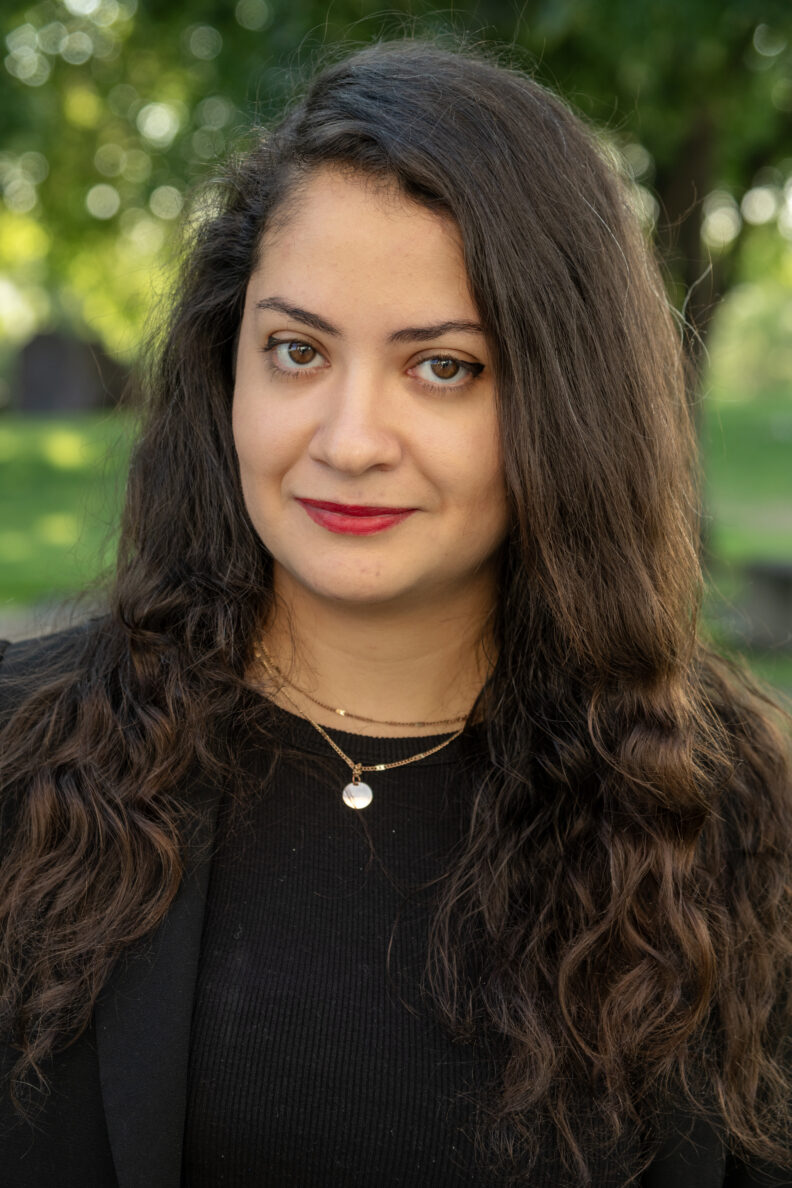
Speaker: Dr. Asma Jodeiri Akbarfam
Abstract: Blockchain technology, with its distributed, transparent, and tamper-evident properties, has become a powerful foundation for securing and verifying data. Among its most transformative applications is the establishment of provenance systems—frameworks that trace data from creation through every transformation to ensure integrity, accountability, and trustworthiness. Existing blockchain-based provenance solutions span domains such as supply chains, scientific collaboration, and digital forensics, yet they continue to face challenges related to scalability, access control, traceability, and cross-chain interoperability.
To address these challenges within the high-stakes context of digital forensics, ForensiBlock introduces a modular blockchain-based provenance framework that integrates evidence integrity, automated access control, and secure, decentralized forensic workflows. Building upon this, ForensiCross extends the model to enable seamless and secure collaboration across multiple blockchains, supporting cross-chain evidence management and interoperability. In support of this, the Universal Composability (UC) security model provides a rigorous foundation for formally proving that these guarantees persist even in adversarial and multi-chain environments.
Speaker Bio: Asma Jodeiri Akbarfam, Ph.D., is an Assistant Professor of Cybersecurity at Washington State University Tri-Cities. She earned her Ph.D. in Computer and Cyber Sciences from Augusta University. Her expertise spans blockchain, network security, intrusion detection systems (IDS), and the integration of artificial intelligence (AI) with network security. Her research focuses on designing secure, scalable, and modular frameworks—such as blockchain-based systems—that enhance data provenance, access control, privacy, AI-driven threat detection, and resilience in decentralized and federated environments. She has presented her work at leading international conferences and received multiple awards, including Augusta University’s Award of Excellence in Research. She also serves as the faculty advisor for the Women in Cybersecurity (WiCyS) chapter at WSU Tri-Cities, where she promotes inclusive opportunities and mentorship in the cybersecurity field. Her passion for teaching is deeply rooted in her personal and academic journey, guided by values of equity, resilience, and cross-disciplinary innovation. Her teaching style blends empathy with academic rigor, and she is committed to creating inclusive learning environments where students thrive both intellectually and personally.