Advances in Immunology and Microbiology Seminar Series: Katie Tseng
About the event
Featuring research in the areas of:
Epidemiology | Infectious Disease | Disease Ecology | Drug Discovery | Virology |
Global Health | Vector-Borne Disease | Pathology
The Advances in Immunology & Microbiology seminar series is a weekly forum that brings together scientists from diverse fields and disciplines across the College of Veterinary Medicine to discuss research advances in the broad areas of immunology, microbiology, infectious diseases, and global health. Seminars feature student speakers from the Immunology & Infectious Disease (IID) doctoral program, IID-affiliated postdoctoral researchers and faculty, intramural speakers from across the university, and extramural speakers.
Trainee Double-Header

PRESENTER: Kaylee Vosbigian, PhD Candidate (Advisor: Dr. Dana Shaw)
TITLE: Dissecting how pathogens thrive in (molecularly) stressed-out ticks
ABSTRACT: Ixodes scapularis, the North American deer tick, can transmit seven pathogens including the causative agent of Anaplasmosis, Anaplasma phagocytophilum. How tick-borne pathogens interact with their hosts has been primarily studied in mammals. Comparatively less is known about tick-pathogen interactions. We found that the transcription factors ATF6 and Nrf2 are activated during infection, supporting Anaplasma colonization of ticks. To investigate the ATF6 and Nrf2 regulatory network, we developed an R script to identify and search tick promoter sequences. We identified two genes, stomatin and nucleoporin 214, as putatively regulated by ATF6 and Nrf2, respectively. We found that both genes support Anaplasma growth in larvae. We have linked stomatin expression to cholesterol levels in Anaplasma, suggesting that stomatin promotes cholesterol availability to Anaplasma. The depletion of nucleoporin 214 leads to increased reactive oxygen species and decreased antioxidant gene expression, suggesting that nucleoporin 214 prolongs the antioxidant response, which benefits Anaplasma. Our findings uncover previously unknown host mechanisms that support Anaplasma pathogenesis in ticks.
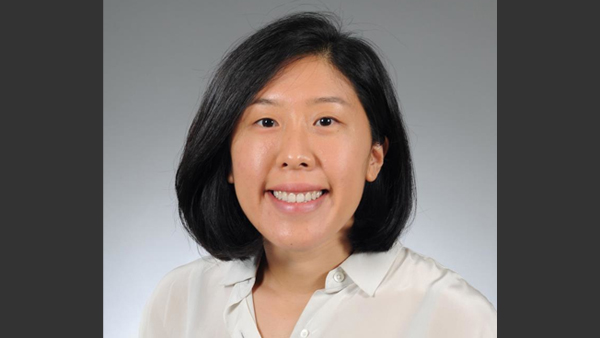
PRESENTER: Katie Tseng, PhD candidate, Paul G. Allen School for Global Health, presenting; (Advisor: Dr. Pilar Fernandez)
TITLE: To be announced
Upcoming Seminars
- September 25 – Dr. Kate Huyvaert, Professor and Rocky Crate & Wild Sheep Foundation Endowed Chair
- October 2 – Dr. Thomas Burke, Assistant Professor, UC Davis
- October 9 – Cameron Coyle, PhD candidate
- October 16 – Dr. Phil Adams, Nat’l Institute of Allergy & Infectious Diseases
- October 30 – Dr. Paul Rowley, Associate Professor, University of Idaho
- November 6 – Sudiksha Pandit, PhD candidate
- November 13 – Charles Ugwu, PhD candidate
- November 20 – Dr. Steven Edmonds, PhD candidate & Pathology Resident, AND Dr. Colleen Lynch, PhD Candidate & Pathology Resident
- December 4 – Brittany Genera, PhD candidate AND Dr. Hayley Masterson, PhD candidate & Pathology Resident