CHE 598 Seminar: Harnessing Synthetic Biology For Converting Organic Waste Into Biopolymer
About the event
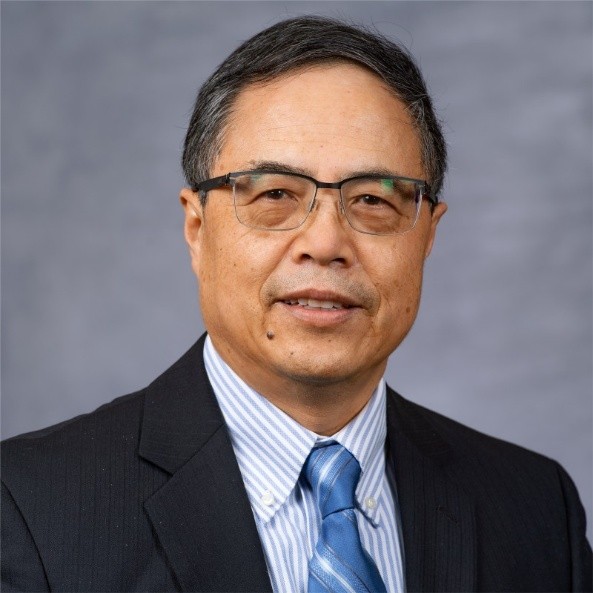
SPEAKER: Dr. Shulin Chen, Professor, Department of Biological Systems Engineering, Washington State University
BIOGRAPHY:
Dr. Shulin Chen is a Professor of Biological Systems Engineering at Washington State University, a registered Professional Engineer, and a Senior Member of the National Academy of Inventors. He earned his B.S. and M.S. degrees in Agricultural Engineering in China and his Ph.D. in Biological and Environmental Engineering from Cornell University. Dr. Chen’s research spans environmental engineering, bioenergy, and bioproducts, with a focus on advancing biorefinery technologies from microbial cell factories and anaerobic digestion to algal systems, biomass processing and separations, and multiscale modeling of industrial biological systems. He has authored more than 370 peer reviewed journal articles, holds 11 U.S. patents, and has an h-index of 99 (Google Scholar).
ABSTRACT:
Converting organic waste into biodegradable polymers offers a compelling pathway to reduce greenhouse-gas emissions while displacing petroleum-derived plastics. BBEL has developed an integrated “waste-to-biopolymer” framework that couples (i) temperature-managed anaerobic bioprocessing to convert heterogeneous wastes into volatile fatty acids (VFAs) and (ii) synthetic-biology-enabled yeast platforms to upgrade VFAs—especially acetate—into poly-3-hydroxybutyrate (PHB), a leading biopolymer candidate.
This presentation will summarize recent advances in hyperthermophilic anaerobic digestion/acidogenic fermentation that accelerate hydrolysis of recalcitrant lignocellulosic and manure-derived substrates while reshaping microbial consortia toward high-rate conversion. Across agricultural residues, hyperthermophilic operation markedly increases cellulose/hemicellulose deconstruction and enables temperature-controlled switching between methane production and VFA accumulation, offering operational flexibility for biorefineries responding to market demands. Complementary work on dairy manure demonstrates that hyperthermophilic fermentation can enhance hydrolysis and early-stage VFA production rates while informing techno economic tradeoffs associated with retention time and process temperature.
Additionally, the talk will focus on BBEL’s efforts in engineering Yarrowia lipolytica as a robust microbial chassis for PHB synthesis from acetate-rich VFA streams. Topics will cover pathway design choices (including thermodynamically favorable routes to acetoacetyl-CoA), strategies such as gene-dosage tuning and subcellular compartmentalization, and co-substrate feeding approaches that mitigate inhibition while boosting productivity—achieving high PHB accumulation and demonstrating scalable fed batch titers. Finally, mechanistic insights from 13C-metabolic flux analysis, transcriptomics, and metabolic modeling will be highlighted to explain why VFA metabolism can be energetically and redox constrained (e.g., ATP/NADPH limitations and carbon loss as CO₂), and how targeted interventions (e.g., co-catabolism and acetate assimilation engineering) can improve carbon efficiency and polymer yields.