CHE 598 Seminar: Sarcomere Modulation in Cardiomyopathies
About the event
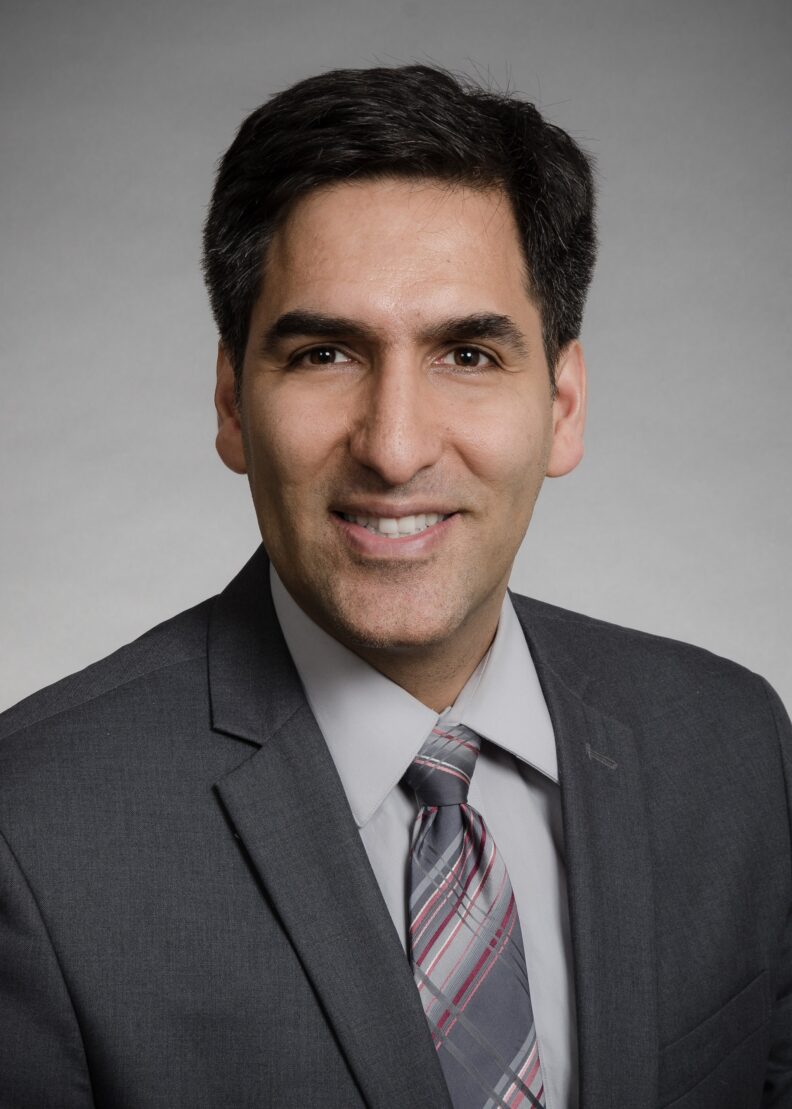
SPEAKER: Dr. Farid Moussavi-Harami, Associate Professor of Cardiology, University of Washington-Medicine
BIOGRAPHY:
Dr. Farid Moussavi-Harami is an associate professor of cardiology and adjunct associate professor of laboratory medicine and pathology at University of Washington School of Medicine. His research group uses molecular and computation approaches to understand cardiac remodeling in genetic and acquired cardiomyopathies. Overall goal of the Moussavi-Harami research group is to have more targeted treatment for patients with cardiomyopathies. The assays used in the lab span from isolated myosin motors to myofibrils, multicellular preparation, cells and whole organ analysis. Spatially explicit computational model of the sarcomere is also used to generate cardiac twitches and as a tool to study sarcomeric variants and response to therapies.
ABSTRACT:
The sarcomere is the smallest functional unit of striated muscle. Variants (or mutations) in genes encoding for sarcomeric proteins disrupt the finely tuned force-generation properties of cardiomyocytes. These variants can contribute to development of diseases such as hypertrophic cardiomyopathy (HCM) and dilated cardiomyopathy (DCM). We and others have shown that a cardiac twitch, particularly the tension developed across time, predicts the development and severity of cardiomyopathies. Using rodent models, we have shown that returning cardiac muscle force generation properties towards normal can mitigate the cardiomyopathy phenotype. We are in an exciting era for muscle biology, as multiple myosin targeted small molecule activators and inhibitors are entering clinical care. Using complementary biophysical and biochemical assays we can better understand the exact mechanisms of actions of such small molecules, as we have recently published for the myosin activator Danicamtiv.